I was recently video calling a friend who lives thousands of miles away, on a different continent. We were chatting as if they were in the next room, with barely any lag. It got me thinking: **how does this magic happen?** How does my voice, my video, and all the data I send, traverse oceans and landmasses almost instantaneously to reach their destination? It’s something we use every day, often without a second thought, but the underlying mechanisms are a marvel of modern engineering and sophisticated algorithms.
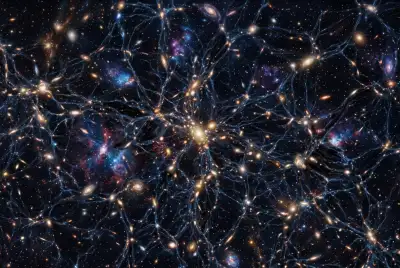
We’ve all experienced the frustration of slow internet, but when it works, it’s truly incredible. Imagine sending a text message, loading a webpage, or streaming a movie. Each of these actions involves your data embarking on a complex, lightning-fast journey across a global network. It’s not just a single wire connecting you to the world; it’s an intricate web of cables, satellites, routers, and switches, all working in concert.
## The Journey Begins: Your Local Network
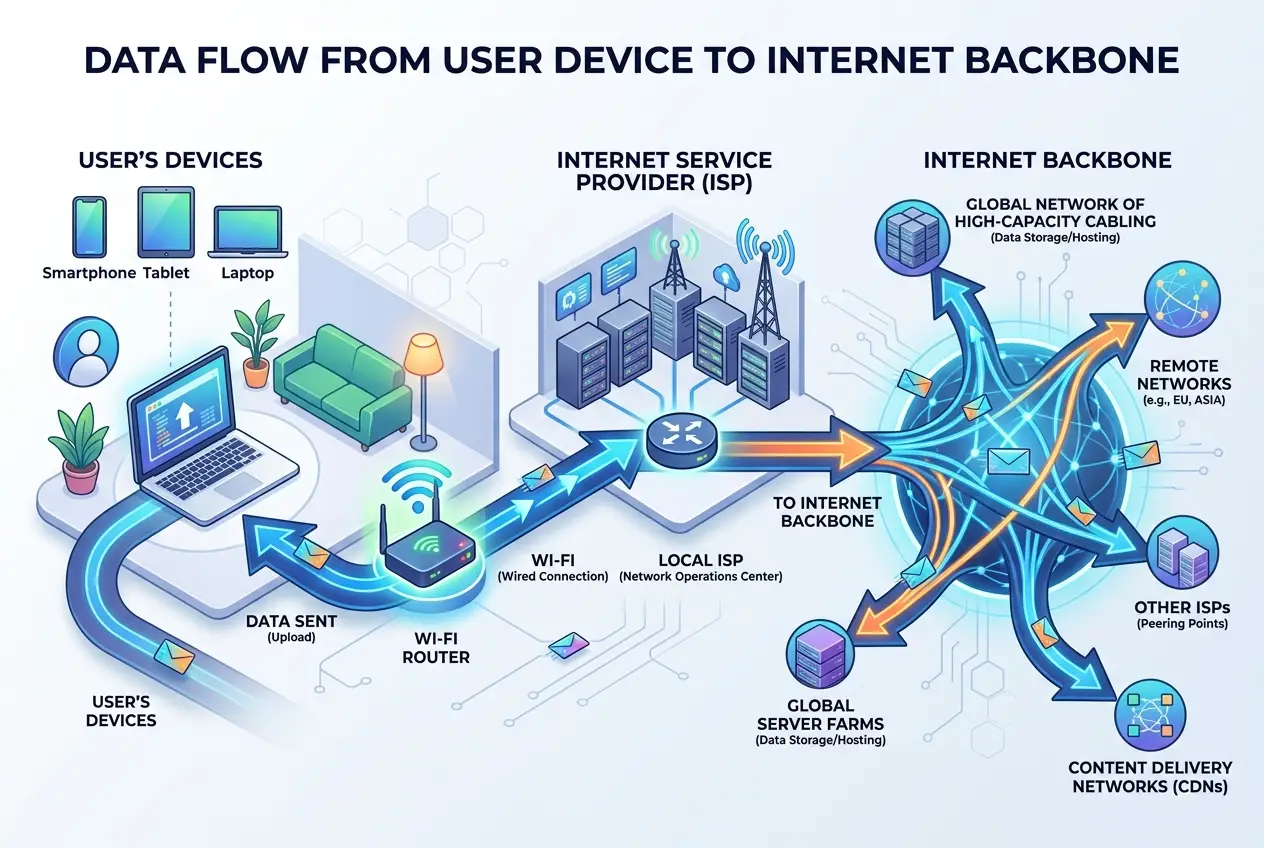
Before your data can even *think* about crossing continents, it starts its journey much closer to home. When you click "send" or type a URL, your device first sends that data to your local router. This router, whether it’s a Wi-Fi box or a wired connection, acts as the gateway to the wider internet. It assigns a unique local IP address to your device, allowing it to communicate with other devices on your home network and, crucially, with the outside world.
From your router, the data travels to your Internet Service Provider (ISP). Your ISP is the company that gives you access to the internet, like your local utility company provides electricity. They have a network of their own, designed to handle thousands, if not millions, of customers’ data traffic. This initial segment of the journey is often through copper wires, fiber optic cables, or even radio waves for wireless connections like the ones powering your 5G phone, as we explored in a previous post about
how your phone gets 5G.
## Data Packets: The Internet's Tiny Messengers
Here's where the real logistical brilliance comes in: your data isn't sent as one giant chunk. Instead, it's broken down into smaller, manageable units called **packets**. Think of these packets as tiny envelopes, each containing a piece of your overall message, along with vital information like:
* **Source IP Address:** Your device’s unique address on the internet.
* **Destination IP Address:** The address of the server or device you’re trying to reach.
* **Packet Number:** To ensure all parts of the message can be reassembled correctly at the destination.
* **Error Checking Information:** To detect if any data got corrupted along the way.
This packet-switching method is incredibly robust and efficient. If one packet gets lost or delayed, only that small piece needs to be resent, not the entire message. It also allows multiple users to share the same network infrastructure simultaneously, making the internet the bustling digital highway it is. For more on how digital data is handled and stored, you might find our blog on
whether electronics hold secret dark data intriguing.
## The Global Backbone: Undersea Cables and Routing
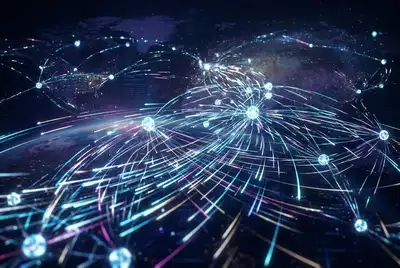
Once your data packets leave your ISP's local network, they enter the internet's **backbone**. This is the high-capacity infrastructure that connects major cities, countries, and continents. The vast majority of intercontinental internet traffic, especially for fast, reliable connections, travels through **undersea fiber optic cables**. These aren't just single strands; they are thick bundles of hair-thin glass fibers that transmit data using pulses of light. Each fiber can carry an enormous amount of information, traveling at nearly the speed of light.
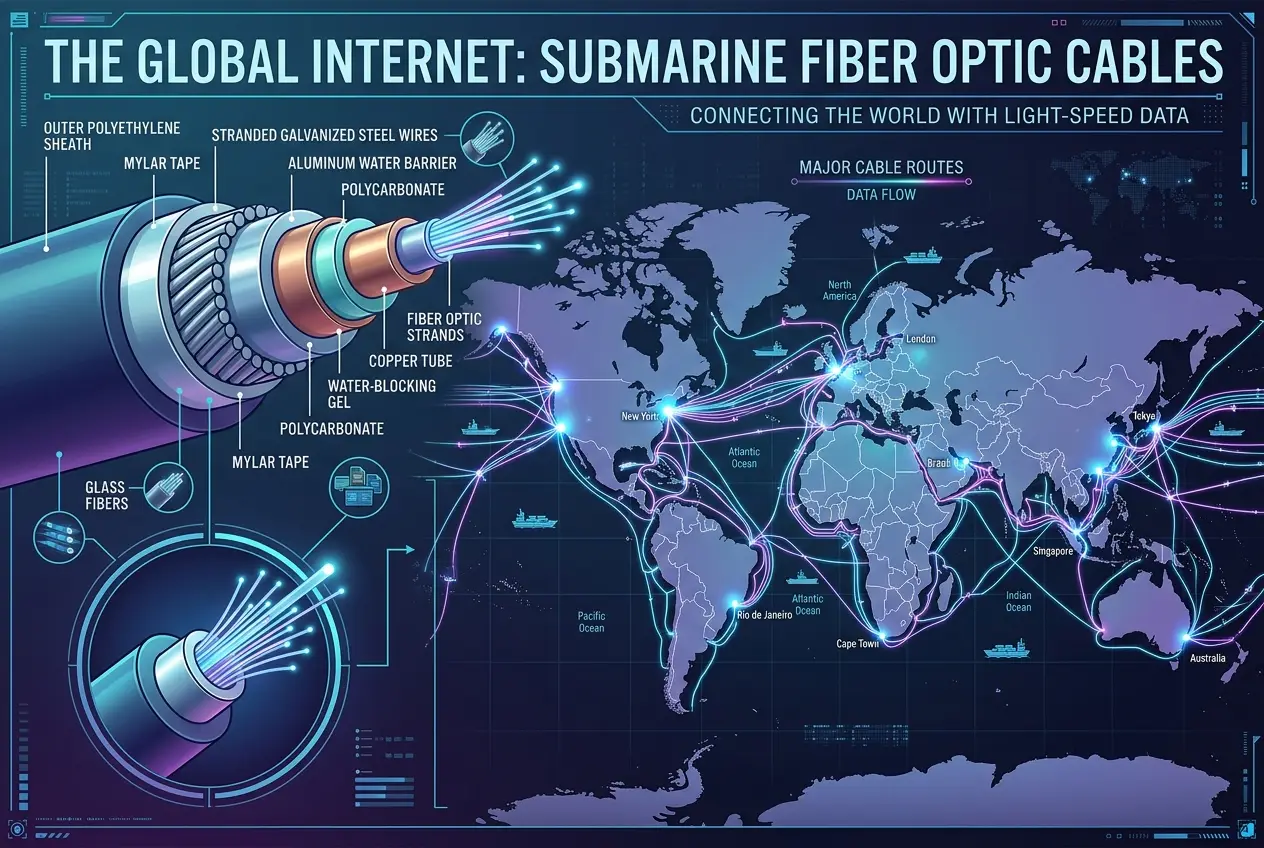
These cables crisscross the ocean floors, often following ancient trade routes or geological pathways. Laying and maintaining them is a monumental engineering feat, costing billions of dollars. You can explore a global map of these cables at sites like the Wikipedia article on
Submarine Communications Cables.
But how do these packets know which cable to take, or which path is the most efficient? This is where **routers** and **routing protocols** come into play. Every major junction in the internet backbone has powerful routers – specialized computers whose sole job is to direct traffic. They constantly exchange information about network conditions, congestion, and available paths.
Think of it like a massive, constantly updated GPS system for data. When a packet arrives at a router, the router reads the destination IP address and consults its routing table. It then forwards the packet to the next router on the optimal path towards its destination. This process repeats, hop by hop, until the packet reaches the target network. The Border Gateway Protocol (BGP) is a key protocol that helps these routers decide the best paths between different autonomous systems on the internet, which you can learn more about on
Wikipedia's BGP page.
This constant, intelligent decision-making by routers is why the internet is so resilient. If one cable breaks or a router fails, traffic can be automatically rerouted, often without you even noticing. It's a testament to the distributed intelligence embedded in the network, a concept that sometimes makes me wonder about the network's collective capabilities, much like we discussed in
our blog about the internet gaining a collective mind.
## The Role of IP Addresses and DNS
Central to this entire process are **IP addresses**. Just like a physical address for a house, an IP (Internet Protocol) address is a unique numerical label assigned to every device connected to a computer network that uses the Internet Protocol for communication. There are two main versions: IPv4 (e.g., 192.168.1.1) and the newer, much larger IPv6 (e.g., 2001:0db8:85a3:0000:0000:8a2e:0370:7334).
While machines understand IP addresses perfectly, humans prefer names. This is where the **Domain Name System (DNS)** comes in. When you type "curiositydiaries.com" into your browser, your computer doesn't know its IP address. It sends a request to a DNS server (often provided by your ISP). This DNS server acts like a phonebook, translating the human-readable domain name into the machine-readable IP address (e.g., 172.67.147.16). Once the IP address is known, your data packets can be correctly addressed. More on DNS can be found on
Wikipedia.
## Why Do My Earbuds Lag Sometimes? Real-Life Connections
Understanding this journey helps explain many real-world internet experiences. For instance, **why do certain online games feel "laggy" while streaming videos work fine?** This often comes down to latency. Video streaming can buffer a few seconds of content, masking minor delays. Online gaming, however, requires near-instantaneous back-and-forth communication. Every "hop" your data packet makes through a router adds a tiny delay. When your data has to cross an ocean via multiple routers and undersea cables, those tiny delays add up, resulting in noticeable lag. This is also why choosing a server closer to your physical location drastically improves your online gaming experience. The shorter the distance, the fewer the hops, the less the latency.
Another example: **why does your internet speed sometimes fluctuate?** It’s not always your ISP. Network congestion, a broken cable segment, or a router experiencing high traffic can all cause slowdowns. The internet is constantly adapting, rerouting data to avoid these bottlenecks, but sometimes a perfect alternative isn't immediately available. This dynamic environment is a marvel of distributed computing, ensuring that even under immense pressure, data largely gets where it needs to go.
## Conclusion: A Symphony of Invisible Data
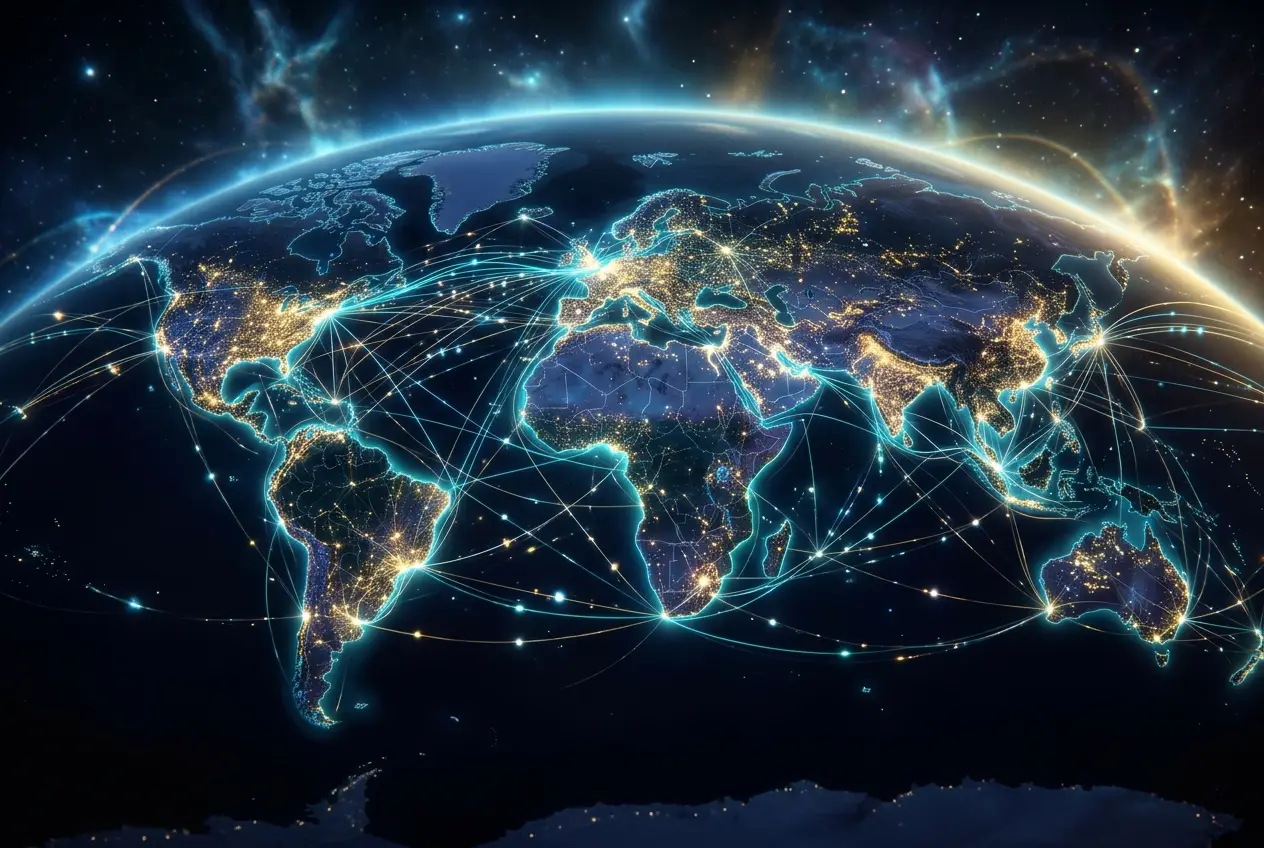
The invisible journey of your data across continents is a true testament to human ingenuity. From the tiny packets leaving your device to the vast network of undersea fiber optic cables and the intelligent routers guiding every byte, it’s a complex, self-optimizing system operating at incredible speeds. The next time you make a video call to a loved one on the other side of the world, or instantly access information from a server thousands of miles away, I hope you’ll have a newfound appreciation for the silent, tireless work of this global digital infrastructure. It's a continuous, dynamic symphony of technology that keeps our interconnected world humming.
 Join Us


 Unknown Author





























Leave a Reply
Comments (0)