I've always found it fascinating how we barely notice the silent, intricate dance of electricity until it stops. One moment, your home is buzzing with life – lights on, TV streaming, fridge humming – and the next, it’s plunged into an unsettling silence. A blackout. We’ve all experienced them, those moments of sudden vulnerability where modern life grinds to a halt. But what if I told you that, right now, a revolutionary network is working tirelessly, often unseen, to prevent those very outages? I'm talking about the **Smart Grid**, a sophisticated system that’s transforming our aging electrical infrastructure into a resilient, intelligent powerhouse.
Forget the old-school power grid, a one-way street pushing electricity from power plants to your home. It was simple, robust for its time, but incredibly reactive. When a fault occurred, like a tree falling on a line or equipment failure, engineers often had to play detective, sometimes literally driving miles to find the problem before they could restore power. This reactive approach meant longer outages and greater vulnerability. Today, the ambition is much grander: to build a grid that doesn't just deliver power but also *thinks*, *predicts*, and *heals* itself.
## The Achilles' Heel of the Old Grid: Why Blackouts Happened
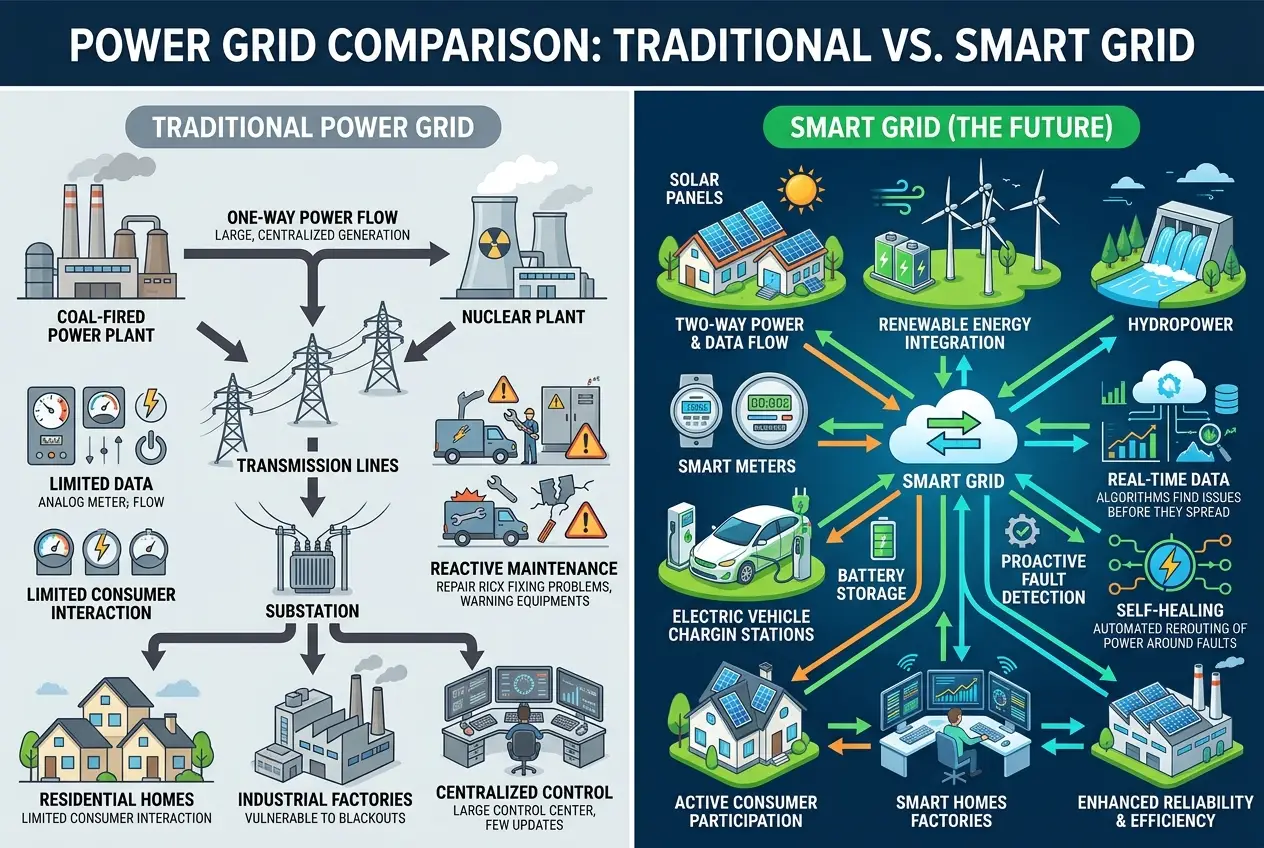
To truly appreciate the smart grid, we need to understand the limitations of its predecessor. The traditional grid, largely designed in the mid-20th century, operated on a "dumb" principle. Power flowed from large, centralized generation plants (like coal or nuclear) through transmission lines, then substations, and finally distribution lines to consumers. This unidirectional flow meant:
* **Limited Visibility:** Operators had little real-time data on the status of the grid beyond major fault indicators. They often couldn't pinpoint the exact location or nature of a problem instantly.
* **Cascading Failures:** A single failure could trigger a domino effect. If one part of the grid overloaded, it could cause adjacent sections to shut down, leading to widespread blackouts, like the infamous Northeast blackout of 2003 which affected 55 million people.
* **Inefficiency:** It was difficult to manage demand effectively. Power plants had to produce enough energy to meet peak demand, even if that peak was only for a few hours a day, leading to wasted capacity and energy.
* **Integration Challenges:** Connecting intermittent renewable energy sources like solar and wind farms was complex because their output wasn't consistent or easily predictable.
## Enter the Smart Grid: An Intelligent Network
So, what exactly *is* a smart grid? At its core, it’s an electrical grid that incorporates advanced technologies to enhance efficiency, reliability, and sustainability. Think of it as upgrading from a rotary phone to a smartphone – suddenly, it's not just about making calls; it's about connecting, processing information, and adapting.
The smart grid achieves its intelligence through several key technological pillars:
### 1. Advanced Sensors and Monitoring Systems
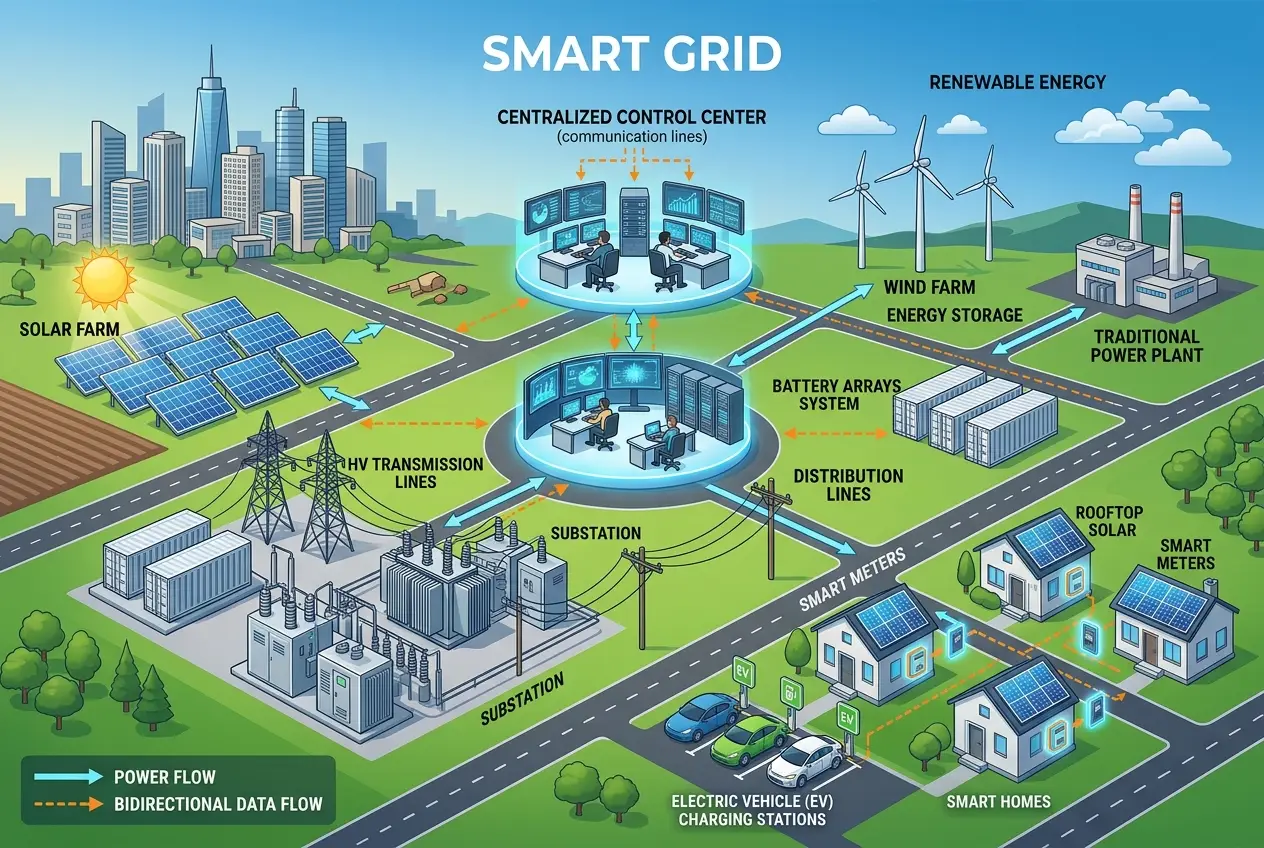
This is where the "eyes and ears" of the grid come in. Millions of sensors are deployed across transmission lines, substations, and even into homes (via smart meters). These sensors continuously collect real-time data on voltage, current, temperature, and even environmental conditions. This data is critical. For example, if a line is experiencing abnormal fluctuations, sensors can detect it long before it causes an outage.
### 2. Two-Way Communication Infrastructure
Unlike the old grid, the smart grid isn't just about electricity flowing one way; it’s also about **information flowing both ways**. High-speed communication networks (often fiber optics or wireless) connect sensors, smart meters, and control centers. This allows utilities to:
* **Receive instant alerts:** When a fault occurs, operators know immediately where it is.
* **Send commands:** They can remotely reroute power, isolate troubled sections, or even cycle equipment.
* **Communicate with consumers:** Smart meters can send consumption data back to the utility and receive pricing signals from the utility.
You might not realize it, but this constant data exchange is what allows your utility to understand your energy consumption patterns and offer you variable pricing plans, encouraging you to shift energy-intensive tasks to off-peak hours.
### 3. Smart Meters: Your Personal Grid Connection
Often the most visible component for consumers, smart meters replace traditional analog meters. These digital devices do more than just record consumption; they transmit data automatically and frequently to the utility. This eliminates manual meter readings and allows for more accurate billing. Crucially, they can also provide you with detailed insights into your own energy use, helping you make more informed decisions about how and when you consume power. This level of granular data helps utilities balance the grid more effectively. For a deeper dive into how devices around you collect data, you might be interested in our blog about how your data instantly crosses continents.
### 4. Advanced Control and Automation
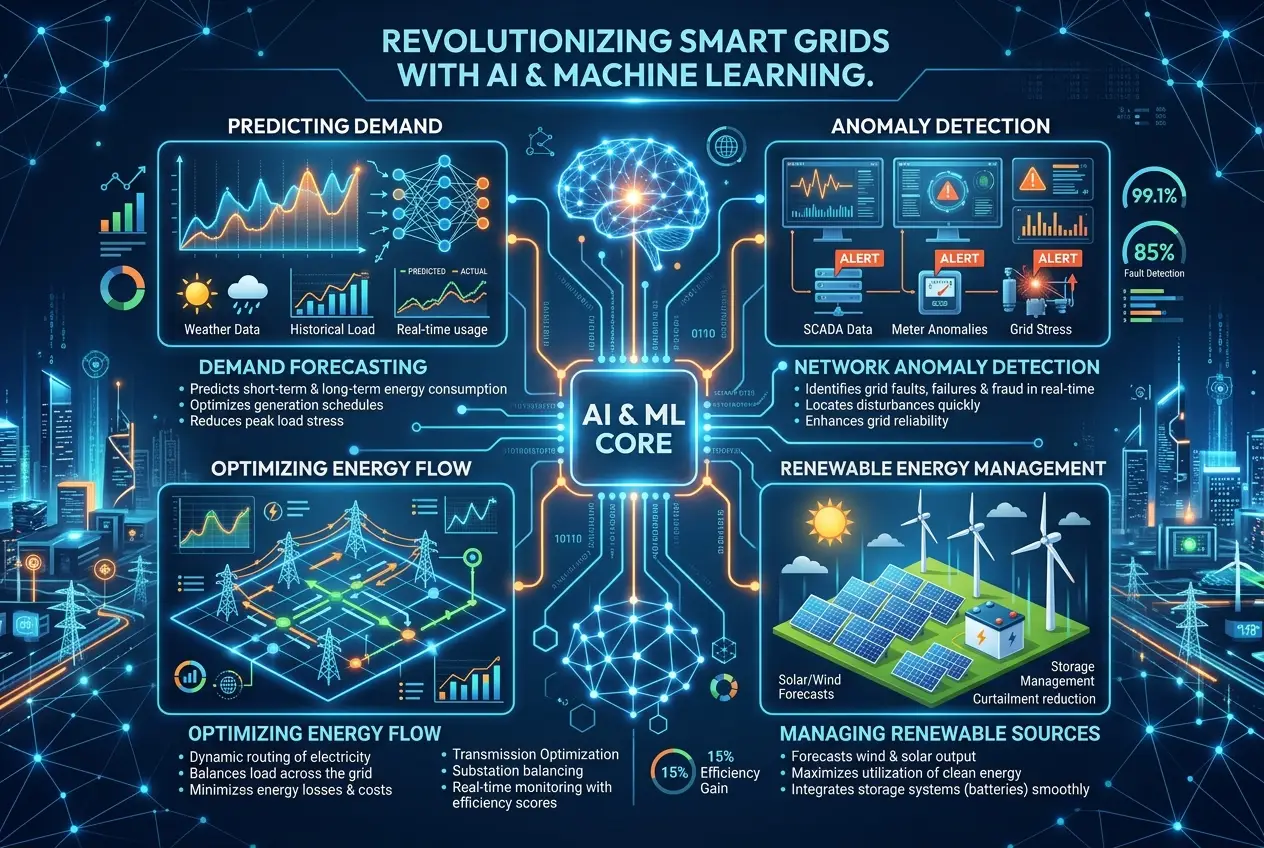
This is where the intelligence really shines. Instead of human operators manually responding to every issue, the smart grid employs sophisticated software and automation. Algorithms analyze the torrent of data from sensors, identify anomalies, predict potential failures, and even *initiate corrective actions automatically*. This could mean rerouting power around a damaged section in milliseconds, preventing a small fault from becoming a large blackout. This automation drastically reduces response times and human error.
## How Smart Grids Actively Prevent Blackouts
The real magic of the smart grid lies in its proactive capabilities. It doesn't just react to problems; it actively works to prevent them.
* **Predictive Maintenance:** By monitoring equipment performance in real-time (e.g., transformer temperatures, line vibrations), the system can flag potential failures *before* they happen. Maintenance crews can then address issues during scheduled downtime, avoiding emergency repairs and unexpected outages.
* **Self-Healing Capabilities:** This is one of the most remarkable features. When a fault occurs (like a tree falling on a line), smart grid sensors detect the exact location. Automated switches can then quickly isolate the damaged section and reroute power through alternative paths to restore service to unaffected areas within seconds or minutes, not hours. This "self-healing" minimizes the scope and duration of blackouts. It's an autonomous response that truly makes a difference.
* **Renewable Energy Integration:** The smart grid is designed to seamlessly incorporate renewable energy sources, which are often decentralized and intermittent. It uses advanced forecasting models and energy storage solutions (like large-scale batteries) to balance the grid, ensuring a stable power supply even when the sun isn't shining or the wind isn't blowing. This integration is vital for a sustainable future.
* **Demand Response:** Through smart meters and communication, utilities can incentivize consumers to reduce consumption during peak demand periods. For example, during a heatwave, a utility might offer lower rates if you delay running your washing machine. This collective action helps prevent grid overload, which is a common cause of blackouts.
* **Enhanced Cybersecurity:** As the grid becomes more digitized and interconnected, cybersecurity becomes paramount. Smart grids incorporate advanced encryption and intrusion detection systems to protect against cyberattacks, which could otherwise lead to deliberate power outages. This protection is a constant, evolving battle against digital threats. For more on digital security, you might find our article on whether our devices are hiding alien echoes interesting, as it touches on unseen signals and data integrity.
## The Real-Life Impact: Why This Matters to You
So, why should you care about this technological marvel? The impact of a smart grid touches your daily life directly.
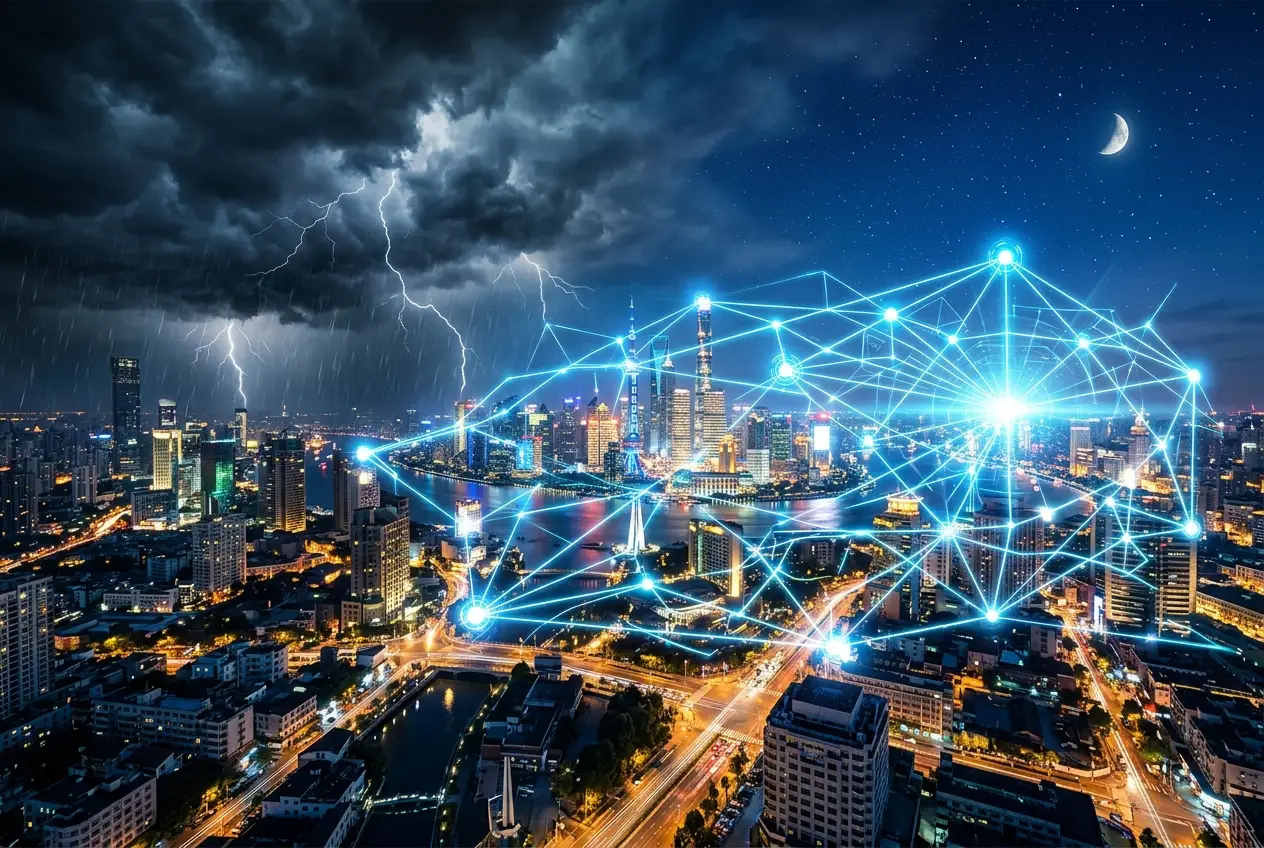
* **Fewer and Shorter Blackouts:** The most immediate benefit. When a storm hits, your neighborhood might experience less downtime, or perhaps your power won't go out at all while a small section down the road is isolated and repaired quickly. This is why your lights stay on even when localized issues arise.
* **Lower Energy Bills:** With demand response programs and better energy management, utilities can operate more efficiently, which can translate to cost savings passed on to consumers. Plus, with detailed data from your smart meter, you can make smarter choices about your own energy consumption, saving money.
* **A Greener Future:** By making it easier to integrate renewable energy, smart grids are a cornerstone of transitioning away from fossil fuels, reducing carbon emissions, and combating climate change.
* **Increased Reliability for Critical Services:** Hospitals, emergency services, and vital infrastructure rely on consistent power. The smart grid significantly boosts the resilience of their power supply.
The journey to a fully smart grid is ongoing, facing challenges such as massive investment costs, interoperability standards, and cybersecurity threats. However, the benefits in terms of reliability, efficiency, and sustainability are too significant to ignore. The silent, intelligent workings of the smart grid are literally changing how we power our world, ensuring that the hum of electricity remains a constant, reliable presence in our lives. If you're curious about other large-scale systems and their hidden data, perhaps our article on whether the cosmic web can compute our universe's fate could spark your interest.
## The Future is Bright (and Connected)
I believe the smart grid represents one of the most critical infrastructure transformations of our time. It’s not just about wires and electricity; it’s about information, intelligence, and resilience. As our world becomes more electrified, from electric vehicles to smart homes, the demand for a stable, efficient, and clean power supply will only grow. The smart grid is the answer, quietly working to prevent those moments of unsettling silence and keep our modern lives constantly connected and powered.
Frequently Asked Questions
Yes, like any interconnected digital system, smart grids face cybersecurity risks. However, they are designed with advanced encryption, intrusion detection, and robust security protocols to protect against attacks and ensure grid stability. Utilities continuously invest in enhancing their cyber defenses to counter evolving threats.
Smart grids are crucial for renewables by providing real-time monitoring and control. They use advanced forecasting to predict output from intermittent sources like solar and wind, and utilize energy storage solutions (e.g., large batteries) to balance supply and demand, ensuring grid stability despite fluctuations. This two-way communication makes integration efficient.
Smart meters collect detailed energy consumption data, raising privacy concerns. However, this data is typically anonymized and aggregated for grid management. Utilities implement strict data privacy policies and encryption to protect personal information. Consumers also gain more control over their energy usage data.
Not exactly, but they are related. A smart grid is a large-scale, modernized electrical network for an entire region or country. A microgrid is a smaller, localized grid that can operate independently from the main grid (e.g., for a campus, hospital, or community), often using its own generation and storage. Microgrids can be components of a larger smart grid, enhancing local resilience.
Implementing a full smart grid is a massive undertaking, typically requiring decades of sustained investment and upgrades. It involves replacing old infrastructure, deploying millions of sensors and smart meters, building communication networks, and developing complex software systems. It's an ongoing evolution rather than a single project.
Verified Expert
Alex Rivers
A professional researcher since age twelve, I delve into mysteries and ignite curiosity by presenting an array of compelling possibilities. I will heighten your curiosity, but by the end, you will possess profound knowledge.
Leave a Reply
Comments (0)
No approved comments yet. Be the first to share your thoughts!
 Join Us

 Unknown Author








Leave a Reply
Comments (0)